
Root Canals
Save Your Natural Teeth
Whenever possible, preserving your natural teeth is the best option. When a tooth becomes badly decayed or infected, a root canal treatment (RCT) can save it from extraction. With modern dental techniques, a tooth that has undergone a root canal can often return to full function, making this procedure a reliable way to maintain your oral health.
Root canals are typically performed on adult, permanent teeth, but can be recommended for patients of all ages depending on their needs.
Signs You May Need a Root Canal
Only a dentist can determine whether a root canal is necessary, but some common symptoms include:
-
Severe toothache that worsens when biting or applying pressure
-
Discoloration of the tooth
-
Sensitivity to hot or cold foods and drinks
-
Swollen or tender gums around a specific tooth
If you notice any of these symptoms, it’s important to schedule an appointment promptly to prevent further damage.
What to Expect During a Root Canal
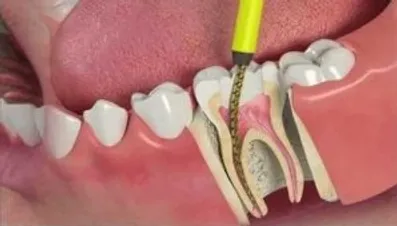
The root canal procedure involves:
- Pulp and Nerve Removal: Your dentist carefully removes the infected pulp and nerve from the tooth.
- Cleaning and Sealing: The space is thoroughly cleaned and sealed to prevent reinfection.
- Restoration: Depending on the tooth’s condition, your dentist may recommend placing a dental crown to restore strength and function.
Modern dental technology and anesthesia options make root canals comfortable and virtually pain-free. Most procedures require two visits, though this can vary depending on the complexity of the case.
Benefits of a Root Canal
-
Preserves your natural tooth and prevents the need for extraction
-
Restores normal function, allowing you to chew and bite naturally
-
Prevents the spread of infection to surrounding teeth and gums
With proper care and regular dental visits, a tooth that has undergone a root canal can last a lifetime.